
"Chinese consumers"
2000 article(s) found
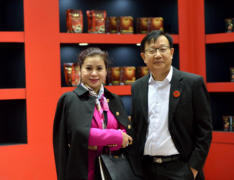
The small goal of "add Love Zun Shang" coffee is one billion dollars.
Central Plains International Co., Ltd. with its new product Tim Ai Zun Shang Coffee was unveiled at the 2017 Chengdu Spring Sugar and Wine Fair. Once this new high-end brand, which focuses on young and successful people, was unveiled, it attracted the attention of many consumers. In recent years, Central Plains International Co., Ltd. has successfully built the Central Plains Coffee and G7 brands around the world. With more than 20 years of industry experience, it launched a new high-end product in 2017.

Analysis of China's Coffee Industry in 2015
With the first coffee bean picked, the first roasting test, the first grinding, the first blending and the mellow smell of the first cup of hot coffee, the legend of coffee cultivation and coffee culture spreading on our small planet has become one of the greatest and most romantic stories in history. According to historical records, coffee was first planted in Taiwan in 1884.

Coffee chain giant Starbucks once again aims at the Chinese market.
Starbucks China-related sources told reporters that Starbucks has been very cautious about opening stores. This strategy is proposed entirely because of market demand, including supply chain and quality control, service and other aspects of Starbucks is ready, all conditions are ripe Starbucks will open a large-scale store, not rash. The move also means that Starbucks will open a new store in China in 18 hours.
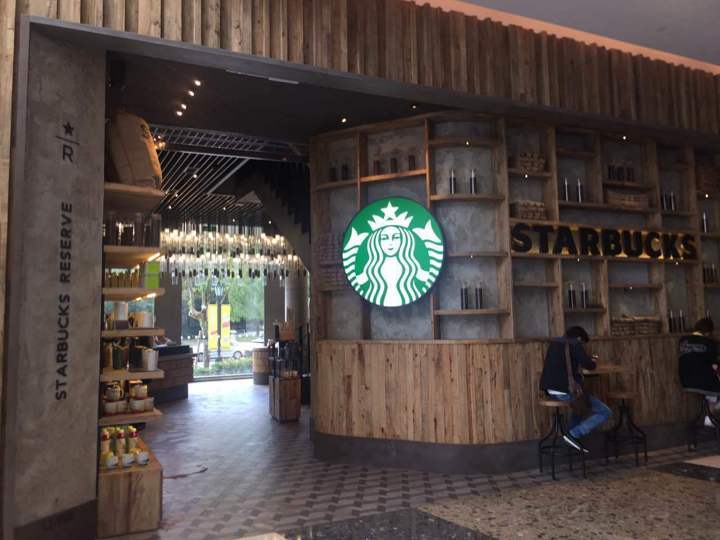
How does Starbucks get coffee red sea in China when branches continue to open?
Starbucks expects to more than double the number of stores in China to more than 5000 in the next five years. The picture shows a Starbucks store in a shopping mall in Tianzi Square, Shanghai. Professional barista exchanges please follow the coffee workshop (Wechat official account cafe_style) China is an important gold prospecting place for Starbucks, but also a struggling development market, for Starbucks profit growth every year
Chinese prefer milk tea to coffee is related to caffeine content! Milk tea is more popular.
China as a traditional tea country, compared with coffee, more people still prefer tea-related drinks. For example, milk tea has become one of the favorite light caffeine drinks among contemporary young people, whether it is the stem of Jay Chou's drinking milk tea or the well-known in the recently popular variety show "my Sister through the Wind and waves".

15% of consumers are affected by the environment and atmosphere-the number of cafes in China will increase in the past five years.
China has a tradition of tea culture, but compared with the prosperity of cafes, the development of Chinese teahouses is tepid, with an increase of 4 per cent from 48842 to 50984 between 2007 and 2012. MatthewCrabbe, director of Asia Pacific Research at Mintel, said that after the coffee chain entered China in the late 1990s, it expanded at a faster speed, but teahouses always struggled to find a way out and eventually consumed.

Introduction to the Development of Coffee Industry in China in recent years
1. Great potential for the development of the domestic coffee market after China's entry into WTO, China's economy is developing rapidly, people's living standards are constantly improving, and coffee is being accepted by more and more Chinese. Coffee is no longer just a drink, it is gradually closely linked with fashion and taste, or make friends and talk, or business talks, or leisure, in a cup of coffee filled with music.
The rise of "coffee meal" The combination of coffee meal and leisure dining page The quiet transformation of coffee shop
The way coffee and simple meals are mixed and sold is welcomed by consumers. Coffee shops, which used to focus on coffee products, now add Western-style simple meals such as steak; the old line is selling roast duck, but they want to break new ground in the coffee field. In the spring of 2014, under the tide of catering enterprises seeking transformation one after another, leisure catering in Beijing also showed new characteristics. Chinese and Western restaurants and cafes are integrated and developed

Coffee chain, smoke in the cup
Coffee chains are springing up like bamboo shoots after a spring rain. Coffee ranks first among the three largest drinks in the world, and it is also the second largest trading commodity in the world after oil. According to statistics, at present, global coffee bean sales are about 8 million tons per year, and maintain an annual growth rate of 2%. China accounts for about 11% of the market sales. At present, the per capita annual coffee consumption in China is only 4 cups, even in Beijing, Shanghai and Guangzhou.

Coffee production and consumption in China
Guanyanxia food industry analyst pointed out: the world consumes at least 400 billion cups of coffee every year, and the current global coffee consumption is about 10 million tons. At present, the Chinese market is in an environment that continues to meet the growing material and cultural needs of people, which also provides a good external environment and market space for imported coffee. With the increasing number of drinks in China

The speed at which the giants are marching into the Chinese market is still seen as "counter-trend expansion"
It is understood that in order to bring customers a deep all-sensory experience, Starbucks launched Zhenxuan coffee stores in China at the end of 2014. So far, there are 55 coffee roasting shops in Shanghai, which integrates coffee roasting, production, education and retail. Trying to bring consumers an extraordinary experience. However, in the current restaurant chain downturn, Starbucks' speed is still regarded as
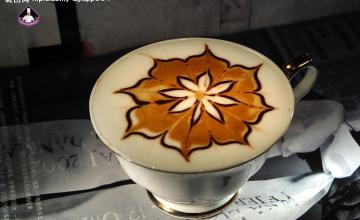
Unique taste of Ecuador Hasunda Coffee Garden Flavor description of taste variety grinding degree introduction
The enthusiasm for introducing Ecuadorian boutique coffee to Chinese consumers led the Ecuadorian Export and Investment Promotion Agency (Pro Ecuador) and the welcoming Research Institute (InkaLab Coffee) to jointly organize this cultural experience event of Ecuadorian boutique coffee. The purpose of this activity is to raise Chinese consumers' awareness of Ecuadorian coffee and related food culture.
Analysis of the current situation of China's coffee market in 2018-who will be the winner of the new wave of coffee?
Professional coffee knowledge exchange more coffee bean information please follow the coffee workshop (Wechat official account cafe_style) 2017 coffee purchase price-the price introduction of coffee in various countries "ID:pintu360" from the brief history of Chinese coffee, industry chain, capital, players close-up, trend and other dimensions, try to spy on the 2018 coffee market trend through the past and present.

Coffee chain joining-- Analysis of Coffee Entrepreneurship Market
The international coffee market is in the mature stage, and many people do not know that coffee beans are the second largest trading commodity in the world. Coffee is produced in more than 70 countries with an annual output of 1 million bags. the development of the coffee industry provides employment opportunities for 100 million people around the world. The coffee production of the exporting member countries of the International Coffee Organization accounts for more than 97% of the world's total output. While annual retail sales exceed 70%.
Comprehensively improve the brand image of "China Coffee"
With the rise of Chinese economy and the integration of Chinese and Western cultures, the domestic coffee consumer population and consumer market are growing at a high speed.
COSTA joins hands with Hualian Group to carve up the Chinese coffee market with Starbucks
The Chinese market has gradually formed the status quo of the confrontation between Starbucks and COSTA, and Hualian Group has real estate resources behind it, so I am afraid that the advantage of COSTA in site selection will gradually appear. The Chinese market has gradually formed a showdown between Starbucks (Special Reading) and COSTA (Special Reading). Hualian Group has real estate resources behind it, so I am afraid that COSTA will have an advantage in site selection.
China's coffee market has ushered in a boutique era-the main consumer groups are urban workers.
The first stage: Nestl é starts its day with a good day, influencing and transforming the way of life of Chinese people, so that more people can try and accept coffee. Shangdao Cafe advocates freshly ground coffee to make more people accept the original coffee, and with its chain business model, it has expanded all over China. At this stage, Shangdao Cafe has opened more than 2600 coffee shops in mainland China.

As a traditional western drink, how does coffee develop in the Chinese market?
Coffee, as a traditional western drink, has a long history and cultural heritage. The world consumes at least 400 billion cups of coffee every year, and the current annual global coffee consumption is about 10 million tons. Coffee is the first of the two largest drinks in the world, and it is also the second largest trading commodity in the world after oil. China's coffee industry has been introduced and developed with the development of reform and opening up.

Coffee shop battle is raging Nestl é says instant coffee also has a chance to break out
Professional coffee knowledge exchange more coffee bean information please follow coffee workshop (Wechat official account cafe_style) Article Source: economic Observer Network reporter Aru Khan started the fierce battle in brick-and-mortar coffee shops since Rui Xing targeted Starbucks, and the instant coffee category that physical coffee shops are familiar with by consumers is also aware of the potential of industry growth and intensification.
From coffee leader to dumper: how far is nestle from crisis?
In the 1980s, Nestle, taste very good this classic advertising language, spread all over the streets, for a time this foreign brand and the distance between the Chinese people was shortened, and this western tea ceremony also gradually popularized in China, the Chinese coffee journey started here. Time has changed, however, and the coffee leaders of yesteryear have become coffee dumpers. Today's instant coffee